Gas Fireplace or Fire Pit: What to Settle Before the Cold Sets In
Both give you a flame at the flip of a switch, but they are different projects with different gas line questions.
October 7, 2026 · 4 min read
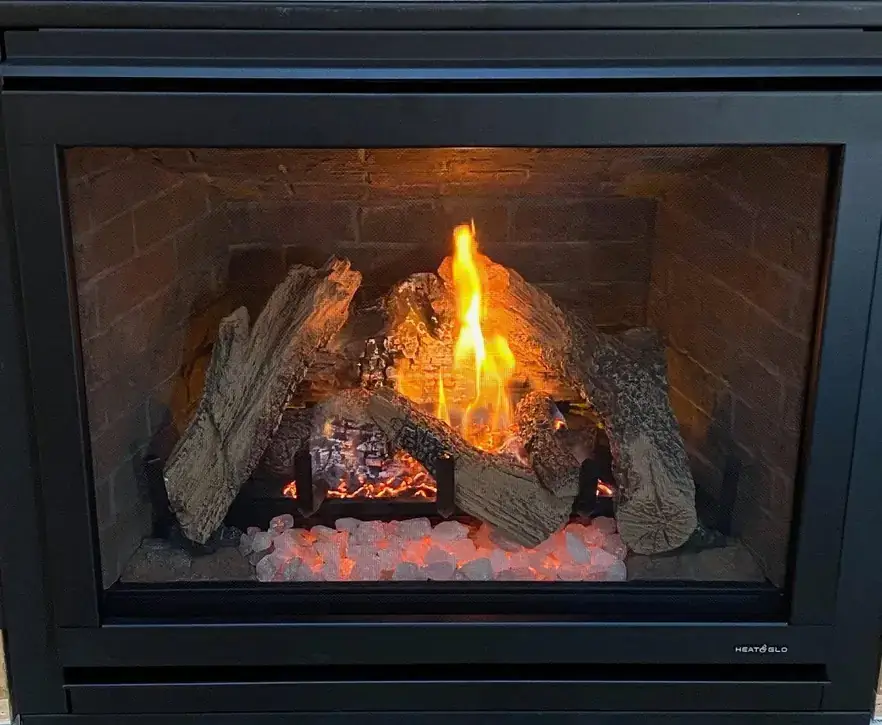
A gas fireplace and a gas fire pit both give you flame without hauling wood, and both start with the same unglamorous question: where does the gas come from? Answering that early saves you from a project that stalls halfway through.
Fall is the right time to think about it. Here is how the two compare, what the gas line run involves, and what to check before the first cold evening.
Gas fireplace or fire pit
A gas fireplace lives indoors, or on a covered patio, and does two jobs. It adds warmth and it gives a room a focal point. Linear models stretch long and low across a wall. Others sit inside an arched iron front or a traditional opening. They are controlled with a switch or remote, so you can have a fire at the end of a long day without any setup.
A fire pit is an outdoor feature. It is about sitting around a flame, not heating a room, and in Yakima that can mean a lit fire bowl on a winter night with snow at its base. It is a gathering spot first and a heat source second.
Placement matters more than most people expect. For a fireplace, think about where the vent will exit and how the room is used, because a fireplace on an exterior wall is a different job from one in the middle of the house. For a pit, wind, fences, overhanging branches and the distance from the house all shape where it can go. Winter use adds snow and ice, so a spot with good drainage and a clear path from the door gets used far more often.
Many owners end up wanting both. If so, plan the gas supply for both at once. Doing it in two separate trips usually costs you extra digging and extra labor.
The gas line run
Gas piping is where these projects succeed or struggle. We pipe everything you need to get gas to your home, including whole houses, underground runs, fire pits, pool heaters and BBQ outlet stubs.
A few things shape the run:
- Distance. The farther the appliance sits from the gas supply, the longer the line, and the more digging or wall work it takes.
- Load. A line has to be sized for everything it feeds. A pipe that is too small starves the burner and the flame looks weak. Adding a pit to a line that already feeds a furnace and a water heater means checking whether it can carry the extra.
- Route. Underground runs for a fire pit have to avoid trees, patios and whatever else you plan to build later.
- Shutoff. Every appliance should have an accessible shutoff valve close to it.
The gas lines downstream of the utility's service line belong to the homeowner, which is one more reason to have the work done by a licensed contractor. We are licensed, insured, and bonded, and gas work is the last place to cut a corner.
Heat-N-Glo and Napoleon
Our favorite fireplace brands are Heat-N-Glo and Napoleon. Both make a broad lineup of gas fireplaces and burners in different shapes and sizes, from traditional fronts to modern linear units. We help you narrow down by room, wall and the look you want, and then handle the installation, venting and gas connection.
What to check before the season
If you already have a gas fireplace or pit, do a walkthrough before you need it:
- Light it and watch the flame. It should be steady and even. A weak, flickering or sooty flame means something needs attention.
- Clean the glass and look at the logs or media. Pieces that have shifted can disturb the flame pattern.
- Make sure the vent and flue are clear of nests, debris and anything stored too close.
- Test the remote and wall switch, and replace the batteries.
- For a fire pit, clear leaves, check the area around it for anything flammable and look at the burner for blockage.
Watch for the warning signs of a gas problem: leaks, improper connections, rusting, hissing sounds and a rotten egg smell. If you smell gas, do not flip switches or look for the source. Leave the house and call your gas utility or emergency services from outside. After that, we can look at the repair.
Planning the project
If you are thinking about adding a fireplace or fire pit this fall, call (509) 424-3245. Cydni will schedule a visit, and we will look at the spot, check how gas can reach it and talk through the options. We serve Yakima and the rest of the valley, and we would rather you ask early than rush a project in the cold.
Seasonal Energy Services, LLC, (509) 424-3245
Call (509) 424-3245More articles
All About Mini-Splits: What They Are and Where They Fit in a Yakima Home
A ductless mini-split can fix the room your ducts never reached, but it is not the answer for every house.
Ducted or Split? Choosing a Heating and Cooling System for Your Home or Shop
The right system depends less on the brand than on your ducts, your floor plan and how you actually live in the building.