Is an HVAC Maintenance Plan Worth It? What a Tune-Up Actually Checks
A tune-up is mostly about catching small, cheap problems before they become a no-heat or no-cooling call on the worst day of the year.
October 7, 2026 · 3 min read
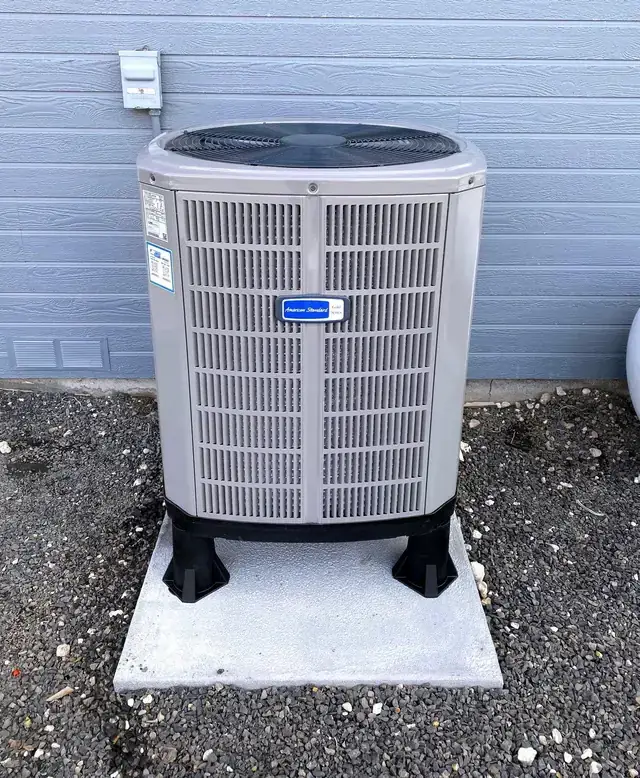
Most heating and cooling breakdowns do not come out of nowhere. A weak capacitor, a dirty flame sensor, a worn belt or a clogged filter has been sliding toward failure for weeks. Then the first cold snap or the first hundred-degree afternoon arrives, the system works harder than it has all year, and the weak part gives out.
A maintenance visit is meant to find those parts first. Whether it is worth paying for depends on what you get for the money, so here is exactly what we check.
What a tune-up covers
When you join our maintenance program, we provide a complete precision tune-up and professional cleaning. The general work on any system looks like this:
- Clean the exterior of your HVAC system
- Inspect cleaning valves, compressors, and coils
- Test electrical connections
- Calibrate thermostats
- Replace dirty filters
- Adjust fan belts
On top of that, each type of equipment gets its own checklist.
Furnace, air handler, heat pump and AC
For a gas furnace we check the filter, the ignitor, the flame sensor, the vacuum burner compartment, gas pressure, temperature rise and capacitors, and we perform an amp draw. The ignitor and flame sensor matter more than most owners realize. A furnace that will not stay lit is very often a dirty flame sensor or a tired ignitor, both cheap parts that a tune-up catches early.
For an air handler we brush the coil and check the filter, capacitors, blower wheel and bearings, wiring to the heat straps and temperature rises. We cycle the unit on heat and emergency heat, and we perform an amp draw.
For a heat pump or air conditioner we look at the exterior and piping, the wiring, all contactors and capacitors, and the temperature rise or drop at the indoor unit, and again we perform an amp draw. Amp draw is a good example of why a visit helps. A motor pulling more current than it should is working harder than it should, and you would never notice until it quit.
What skipping maintenance costs you
A system that never gets cleaned runs dirtier and works harder. Coils coated in dust move less heat. A filter packed with lint chokes airflow, which makes the blower strain and can freeze an evaporator coil in summer. None of this shows on the thermostat until something stops. The checklist above is how those slow problems get caught while they are still cheap to fix, and it is the reason a tune-up before the season beats a repair call during it.
Semi-annual or annual
You can choose between semi-annual or annual. Which suits you depends on what you own.
If you have a furnace and a separate air conditioner, one visit per year means one of them goes a full year without attention, so semi-annual makes sense: one visit in the fall for heat and one in spring for cooling. A heat pump runs in both seasons and takes a beating, so the same logic applies. A household with a single system, or newer equipment in light use, may be fine with annual.
The $14/month plan
Our annual HVAC maintenance plan is $14/month. The plan is how we get you on the schedule so the tune-up actually happens, because the usual failure with maintenance is not cost. It is forgetting.
Plans like this are worth it for people who depend on their equipment: anyone with an older system, someone who works from home, a household with young kids or older family, or an owner who simply does not want a surprise. They are less valuable on a brand-new system that you are happy to look after yourself, though even then, check your warranty paperwork. Some manufacturers want evidence that regular service was done.
What a tune-up will not do
A tune-up will not make a worn-out system young again. It will tell you honestly where your equipment stands. Lauren Leakey, customer testimonial: “Technician Mike serviced our HVAC system. Cyndi was very communicative during scheduling and Mike was punctual and efficient.” That is what we aim for with every visit: show up when we said we would, do the checklist and tell you what we found.
If a part is failing, you will hear about it before the cold arrives or the heat hits, when you still have time to decide. Ready to sign up, or just want to ask a question about your equipment? Call (509) 424-3245 and Cydni will get you on the schedule. We serve homes in Yakima and across the valley.
Seasonal Energy Services, LLC, (509) 424-3245
Call (509) 424-3245More articles
All About Mini-Splits: What They Are and Where They Fit in a Yakima Home
A ductless mini-split can fix the room your ducts never reached, but it is not the answer for every house.
Ducted or Split? Choosing a Heating and Cooling System for Your Home or Shop
The right system depends less on the brand than on your ducts, your floor plan and how you actually live in the building.